
Top 15 Vendor Compliance Management Software

Vendor compliance software rarely fails because it lacks workflows. It fails because workflows are not the same thing as visibility. Most teams can collect questionnaires and document approvals. Far fewer can answer the question that actually matters: which vendors have meaningful access to sensitive systems or data, what has changed since onboarding, and what risk does that create for the business right now?
That visibility gap is growing. According to Optiv, 74% of companies do not know all the third parties that handle their data and PII, meaning most vendor compliance programs operate with incomplete visibility. Vendor compliance management software can help standardize and scale how assessments are run, tracked, and reported. But choosing the right platform comes down to whether it provides an evidence-based view of vendor risk or simply documents the process.
What Is Vendor Compliance Management Software?
Vendor compliance management software helps organizations assess, document, and track third-party risk and compliance obligations. At its core, it centralizes vendor data, standardizes assessment workflows, and provides audit-ready reporting as vendor relationships evolve.
These platforms solve a very specific problem: scale. When you’re dealing with hundreds or thousands of vendors, manual tracking through spreadsheets and e mail breaks down quickly. Compliance tools bring structure. They are typically used by security, risk, and compliance teams in mid-market and enterprise organizations with large and heavily regulated vendor ecosystems.
Most vendor compliance platforms manage processes; they don’t validate reality . They help teams demonstrate due diligence and maintain documentation. But they often rely heavily on vendor-provided inputs (questionnaires, certifications, and policies) without verifying whether those inputs reflect actual security posture or behavior. Vendor compliance software often overlaps with:
- Third-party risk management (TPRM) platforms
- Broader GRC software solutions
- Procurement and vendor lifecycle tools
- Security ratings and external risk intelligence tools
Despite that overlap, their primary function remains the same: standardize compliance workflows and make them auditable. If your goal is simply to pass audits and maintain documentation, these tools are sufficient. If your goal is to understand real exposure, they are often not.
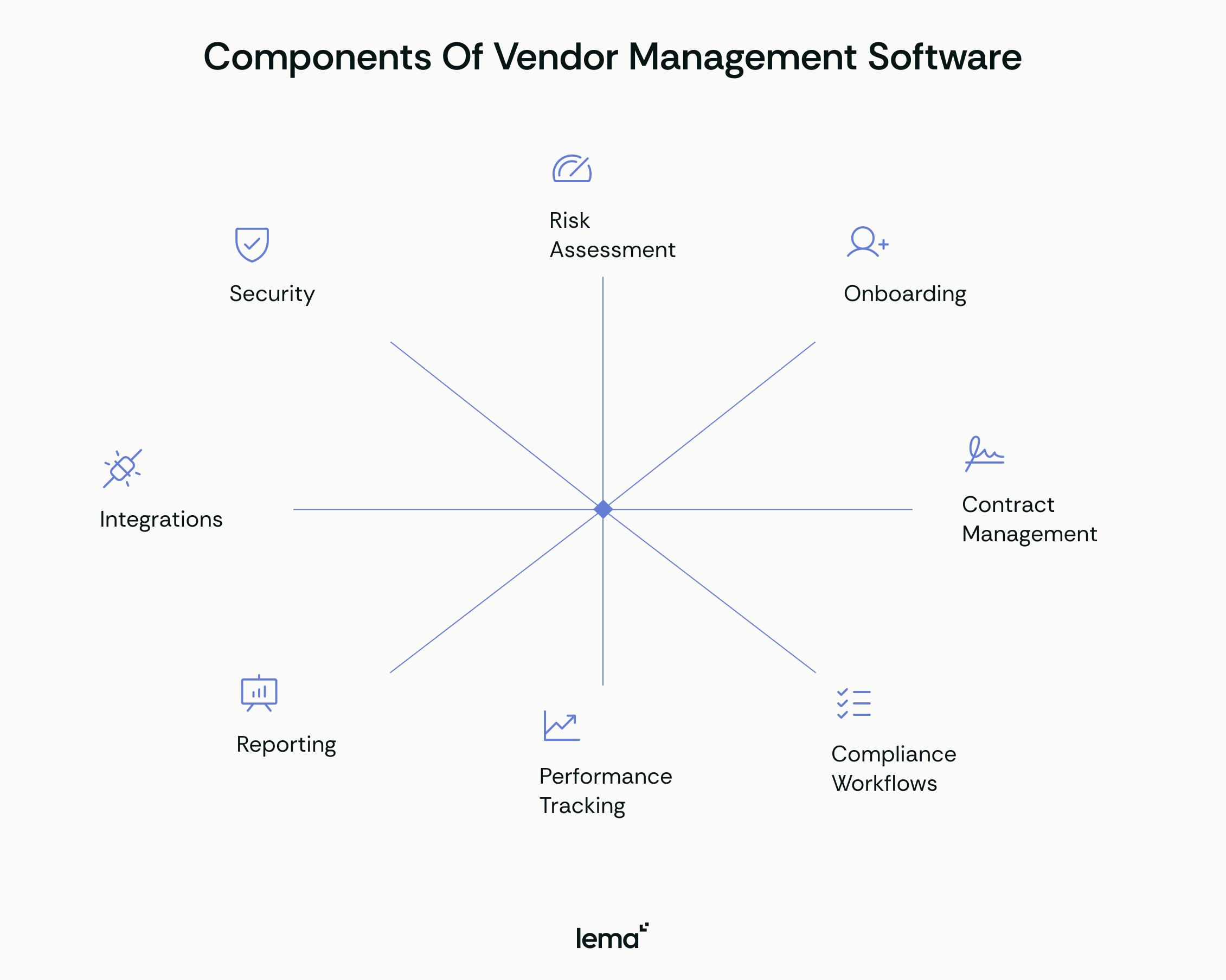
Top Vendor Compliance Management Software at a Glance
- Best for TPRM workflows: Lema
- Best for quantitative risk modeling: DecisionFocus
- Best for enterprise GRC: Archer
- Best for evidence-based vendor risk validation: Lema
- Best for compliance automation: Scrut Automation
- Best for procurement-led vendor governance: Coupa
- Best for external security ratings: SecurityScorecard
- Best for supply chain collaboration: Risk Ledger
Top 15 Vendor Compliance Management Software
Vendor Compliance & Risk Management Platforms
This category includes tools specifically designed to manage vendor assessments, compliance workflows, and third-party risk programs. They typically combine questionnaires, workflow automation, and reporting to help organizations scale vendor oversight.
1. ProcessUnity
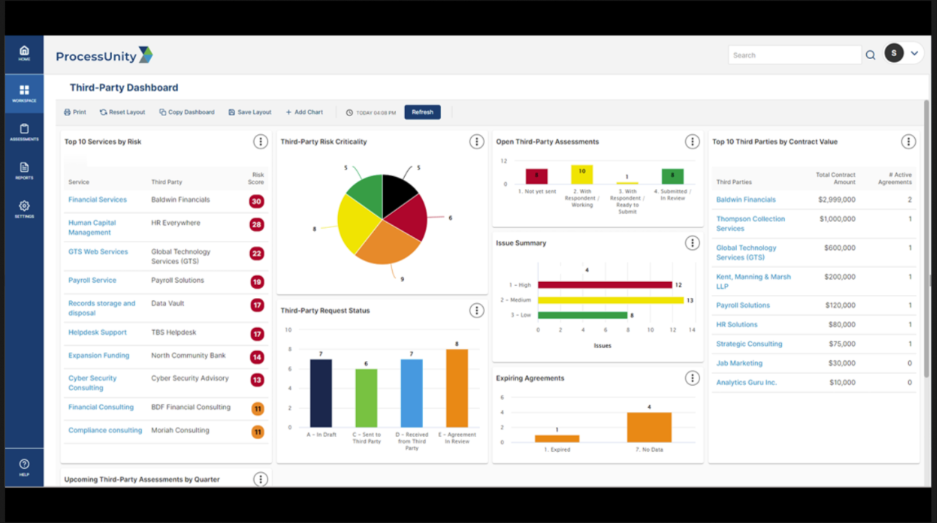
ProcessUnity centers on structured lifecycle management, from onboarding and inherent risk classification to due diligence, issue tracking, and ongoing monitoring. The platform provides a centralized vendor inventory and configurable risk-scoring models. Its assessment engine supports dynamic questionnaires with conditional logic, automated evidence collection, and workflow orchestration across reviewers, approvers, and stakeholders. It also integrates with procurement, IT, and GRC systems to maintain alignment across vendor lifecycle processes.
ProcessUnity’s strength is operational control. It ensures consistency, auditability, and governance across vendor assessments. However, it remains fundamentally dependent on vendor-submitted data and predefined frameworks.
Best for: Organizations that need structured, scalable TPRM workflows with strong governance and audit traceability.
Review :
“High degree of customization and automation, enabling tailored, efficient workflows for complex third-party risk management (TPRM) programs, alongside its user-friendly interface, robust reporting, and valuable integrations like the Global Risk Exchange for streamlined data and proactive risk mitigation across the entire risk lifecycle.”
2. Lema
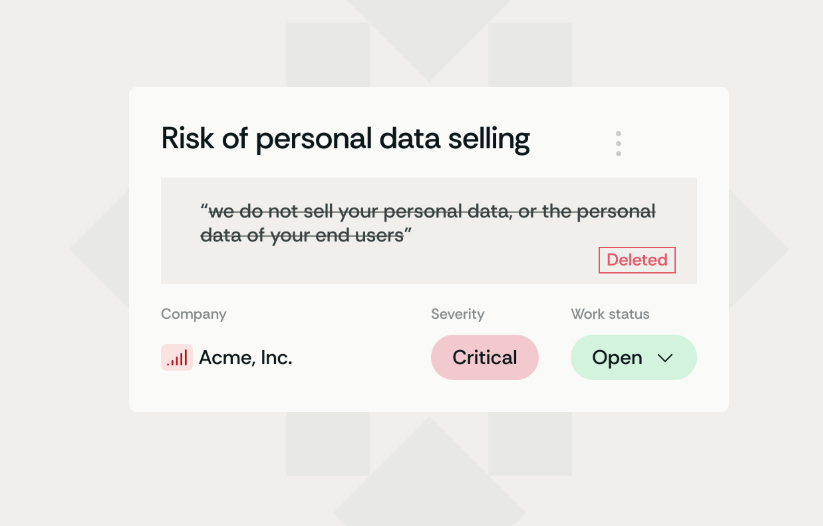
Lema is an Agentic TPRM and Risk Engineering platform that uncovers and reduces real third-party exposure by validating vendor risk through evidence, not just documentation. Its Forensic AI Assessment tool automatically reviews vendor documentation against your control requirements, identifying gaps and inconsistencies.
Lema also uses OSINT Recon to aggregate external intelligence and cross-reference vendor materials against independent sources. From there, it applies blast-radius mapping to show how each vendor actually impacts your organization, including which systems it connects to and how that usage evolves. All signals are correlated by an AI trained on vulnerability research workflows that prioritize risks based on real business impact and provide precise remediation steps.
Best for: Security and risk teams that want to understand and reduce real vendor exposure.
3. DecisionFocus
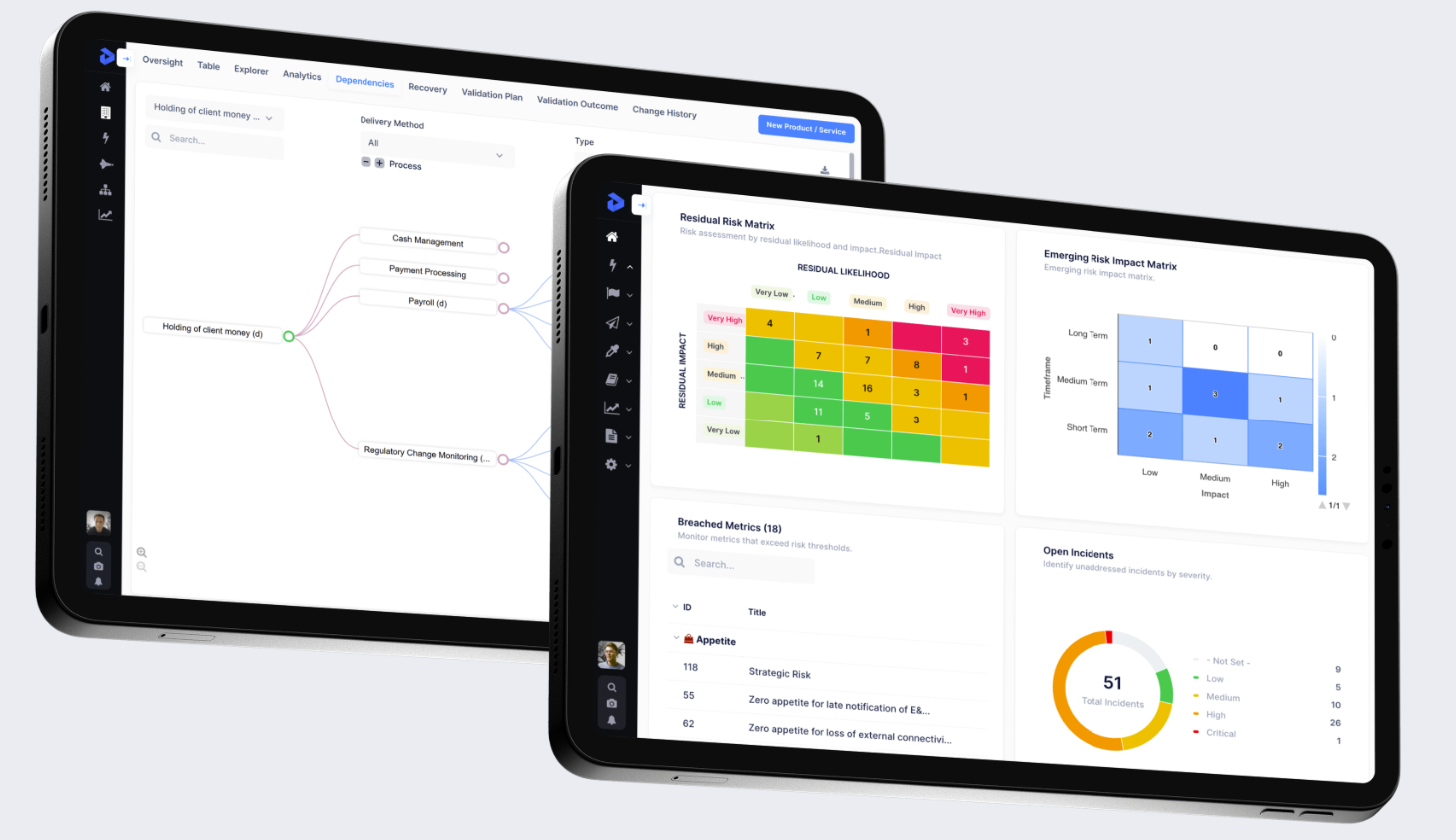
DecisionFocu s is a risk analytics platform that extends into vendor compliance through quantitative risk modeling and scenario analysis. Unlike traditional TPRM tools that rely purely on qualitative scoring, DecisionFocus enables organizations to simulate vendor risk impact using probabilistic models (such as Monte Carlo simulations). It allows teams to quantify potential financial and operational impact from vendor-related risks, supporting more informed decision-making at the enterprise level.
The platform includes vendor assessments, configurable risk frameworks, and workflow management, but its key differentiator is its ability to model risk scenarios and evaluate trade-offs. However, it still relies on structured inputs and predefined assumptions rather than independently validating the vendor's security posture.
Best for: Organizations that want to quantify vendor risk and model impact scenarios rather than just track compliance workflows.
“Decision Focus has been an excellent partner throughout our delivery. From the outset, the team worked with us as a true extension of our project team rather than a traditional vendor.”
4. Panorays
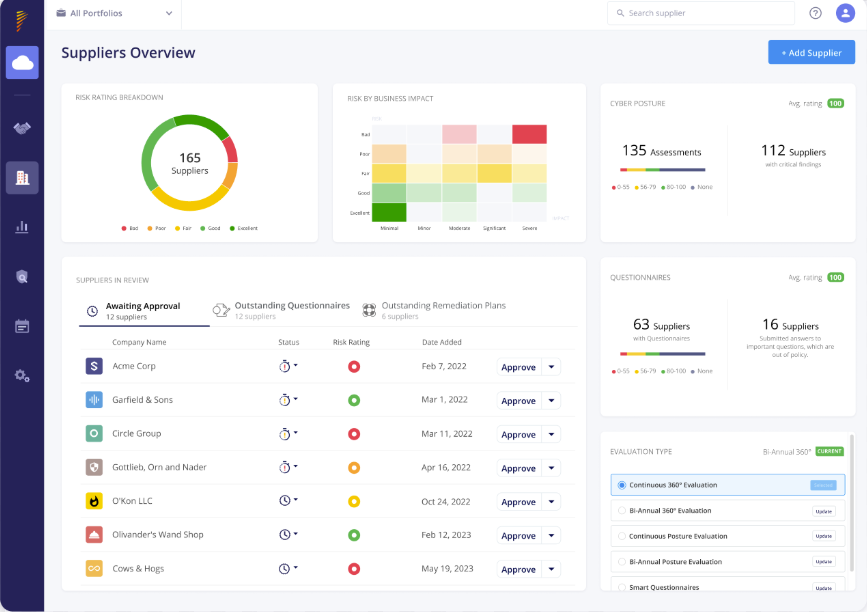
Panorays combines automated vendor assessments with external attack surface monitoring, offering a hybrid approach to vendor compliance.
It uses dynamic questionnaires that adapt based on vendor responses and risk level, reducing manual effort and improving assessment efficiency. In parallel, it continuously monitors vendors using external signals such as exposed assets, vulnerabilities, and security posture indicators.
These capabilities help organizations automate onboarding and maintain ongoing visibility without relying entirely on manual reviews. However, Panorays does not provide internal usage context; it cannot show how vendor risk translates into actual access, data exposure, or business impact within your environment.
Best for: Organizations looking to automate vendor assessments while adding continuous external monitoring.
“The most helpful aspect of Panorays is how it simplifies and centralizes third-party cyber risk management. It gives security and risk teams a clear, structured view of vendor risk by combining automated security ratings and continuous monitoring in one platform.”
Enterprise GRC Platforms
These platforms embed vendor compliance within broader governance, risk, and compliance programs. They are typically used by large enterprises managing multiple risk domains.
5. Archer
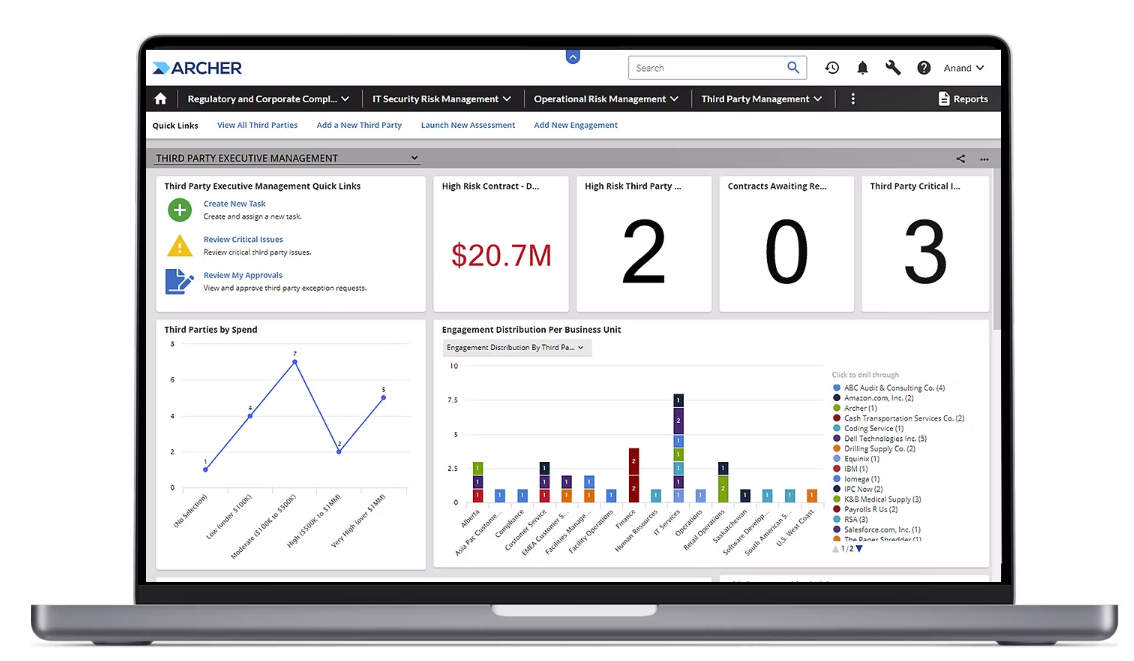
Archer is a mature enterprise GRC platform with extensive capabilities across governance, risk, compliance, and third-party risk management. Its vendor risk module includes vendor inventory management, scoring of inherent and residual risks, due diligence workflows, control mapping, and issue remediation tracking. It supports complex regulatory frameworks and provides detailed audit trails and reporting for compliance and oversight.
Archer’s strength lies in its depth and configurability. However, it is resource-intensive to implement and maintain, often requiring dedicated administrators and long deployment cycles. It functions primarily as a system of record and governance.
Best for: Large enterprises with mature GRC programs that need deep configurability and regulatory alignment.
“Great dashboards that showcase operational risk and eGRC capabilities. It helps with the high-level overview of RCSA results and statuses within our organization.”
6. MetricStream
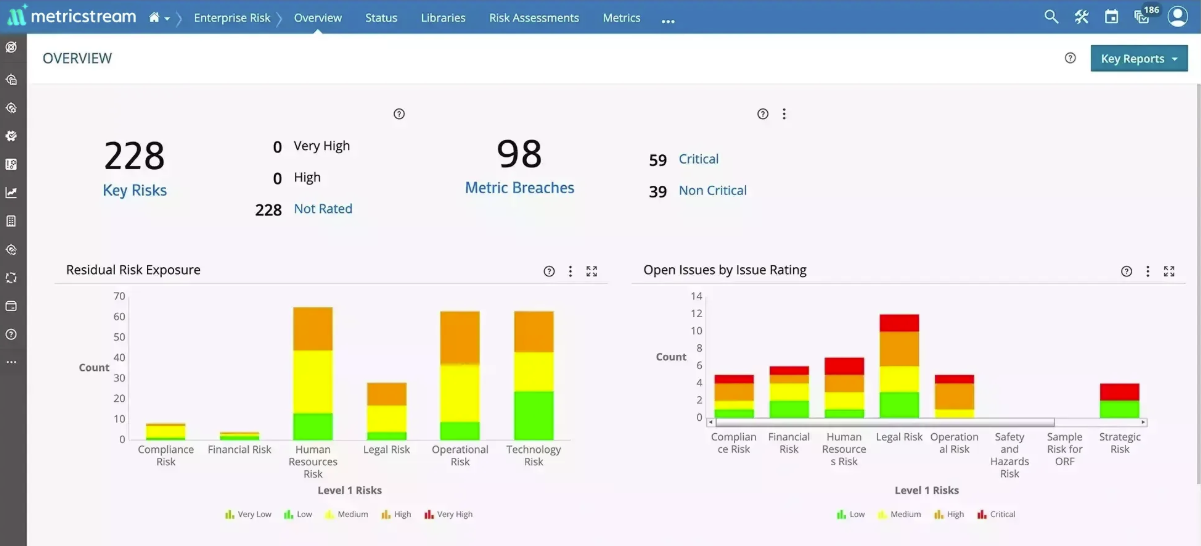
MetricStream is a comprehensive GRC platform designed for large, regulated organizations managing multiple risk domains, including third-party risk. It provides centralized control over vendor compliance through due diligence workflows, risk scoring models, continuous monitoring integrations, and regulatory mapping. The platform enables organizations to align vendor risk with enterprise-wide compliance and audit programs.
MetricStream is particularly strong in reporting, audit readiness, and regulatory coverage. However, it is complex, expensive, and slow to adapt, and, like other GRC platforms, it relies on structured processes and vendor inputs rather than independent risk validation.
Best for: Highly regulated enterprises that prioritize centralized compliance management and audit readiness.
“One of the key strengths is its flexibility in supporting multiple risk frameworks and regulatory standards such as ISO 31000, NIST, and ISO 27001. The platform also provides strong workflow automation, risk scoring models, and dashboard-based reporting, which helps leadership gain real-time visibility into the organization’s risk posture.”
7. Corporater
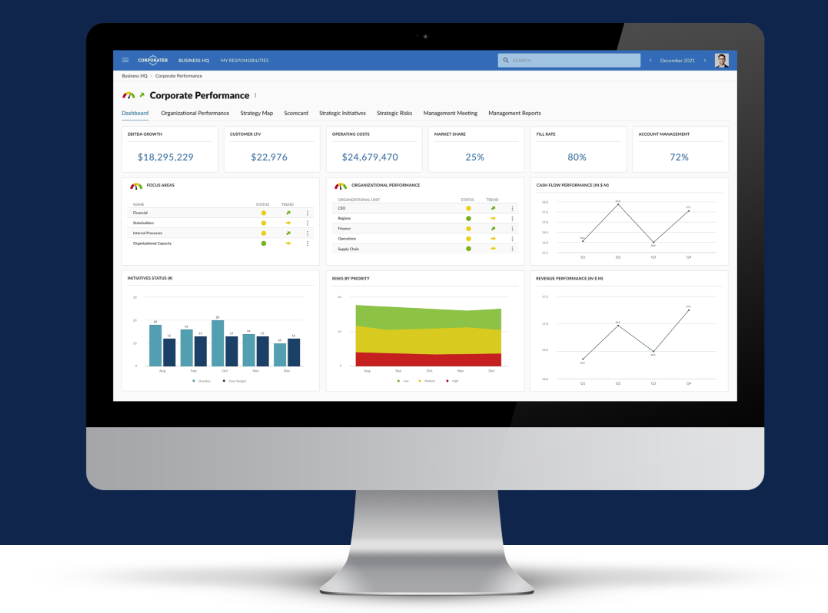
Corporater is an integrated governance and performance management platform that includes vendor risk as part of a broader enterprise system. It allows organizations to align risk, compliance, and performance metrics, offering configurable workflows, dashboards, and reporting tools. Vendor compliance is managed within this broader context, enabling visibility into how third-party risk connects to strategic objectives.
However, it is not a purpose-built TPRM solution. Its vendor risk capabilities are relatively lightweight and lack depth in security risk analysis or continuous monitoring.
Best for: Organizations looking to align vendor risk with broader performance and governance frameworks, not those seeking deep TPRM capabilities.
“Brilliant user interface and user experience responsiveness to demand shifts in a timely and reliable manner. It is convenient for tailoring to specific needs. We can easily monitor tasks and initiatives. The consumer may establish strategic projects or basic tasks and observations related to time intervals, businesses, and indicators by simply navigating between them.”
8. Scrut Automation
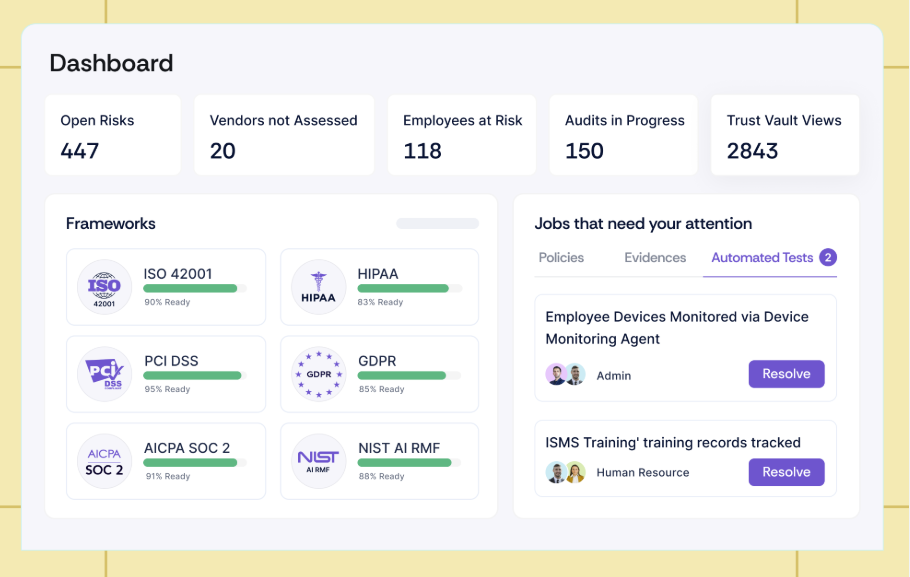
Scrut Automation is a modern compliance automation platform focused on frameworks such as SOC 2 and ISO 27001, with vendor risk management as a secondary capability. It automates evidence collection through integrations with cloud infrastructure and SaaS tools, reducing the manual effort required to maintain compliance. Its vendor management features include basic risk assessments , due diligence workflows, and centralized tracking.
Scrut is designed for speed and ease of use, making it accessible for growing companies. However, its vendor risk capabilities are limited compared to dedicated TPRM platforms and are primarily focused on supporting compliance requirements.
Best for: Mid-market companies that want fast, automated compliance workflows with lightweight vendor risk management.
What I like most about scrut automation is its dashboard, which is very clean and simple. We can easily see all compliance details in the dashboard, along with other details. It is a very good platform for adapting to meet specific compliance requirements, and it provides automated workflows that save a significant amount of time to eliminate the manual process.”
Procurement & Vendor Management Platforms
9. Coupa
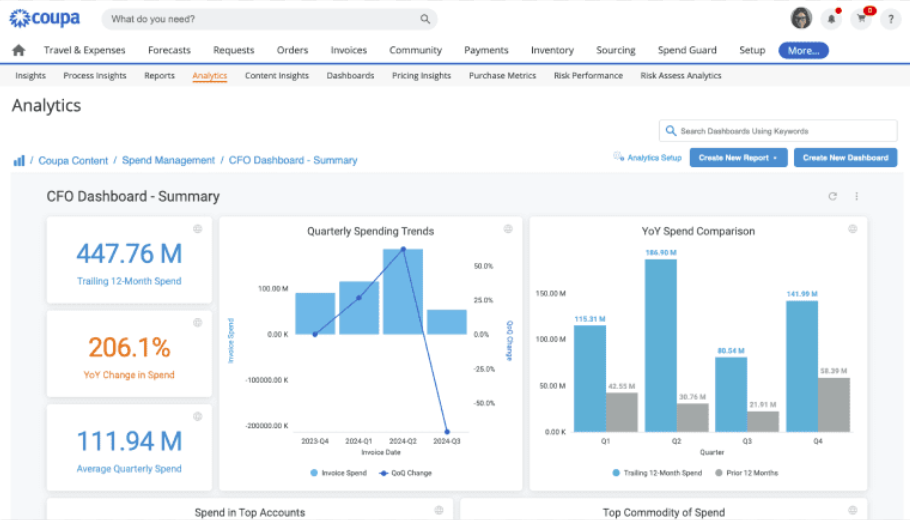
Coupa is a business spend management platform that integrates supplier risk and compliance into procurement workflows. It provides end-to-end vendor lifecycle management, including onboarding, qualification, contract management, and supplier performance tracking.
Coupa’s strength lies in connecting financial, operational, and supplier data, giving organizations visibility into spend, supplier performance, and opportunities for cost optimization and revenue recovery . Howev er, its risk capabilities are primarily operational and compliance-focused, not designed for deep cybersecurity risk analysis.
Best for: Procurement-led organizations that want to embed compliance into vendor purchasing workflows.
“The visibility and control it gives me over spending, I can easily track purchases, approvals, invoices, and expenses all in one place instead of juggling multiple systems or spreadsheets.”
10. Oracle Procurement Cloud
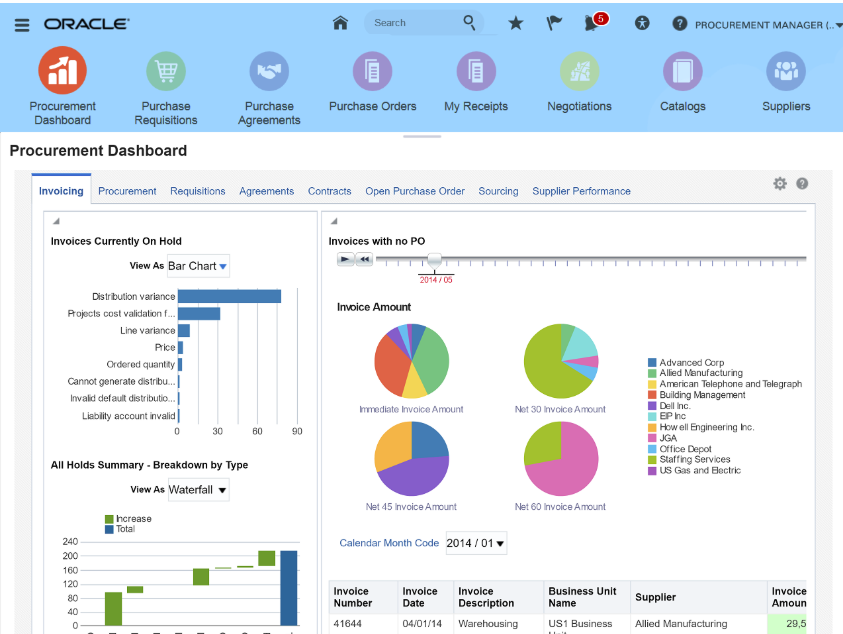
Oracle Procurement Cloud is an enterprise procurement platform that integrates supplier onboarding, qualification, and compliance tracking into a broader source-to-pay ecosystem. It enables organizations to manage the full supplier lifecycle, including registration, qualification, contract management, and ongoing supplier governance. It enforces supplier compliance through structured onboarding workflows that require vendors to meet predefined requirements, submit documentation, and pass approval processes before engagement.
However, its risk capabilities are primarily operational and compliance-focused. It does not provide a detailed analysis of vendor cybersecurity posture, independently validate security controls, or connect vendor risk to actual system access and data exposure within the organization.
Best for: Large enterprises already using Oracle ecosystems that need tightly integrated supplier management, procurement control, and compliance enforcement.
“We use Oracle ERP Cloud for travel and expense management needs. Its simple, basic user interface makes it easier for users to navigate, perform required actions, and get expenses reimbursed. It simplifies the expense submission and approval process.”
11. Proactis
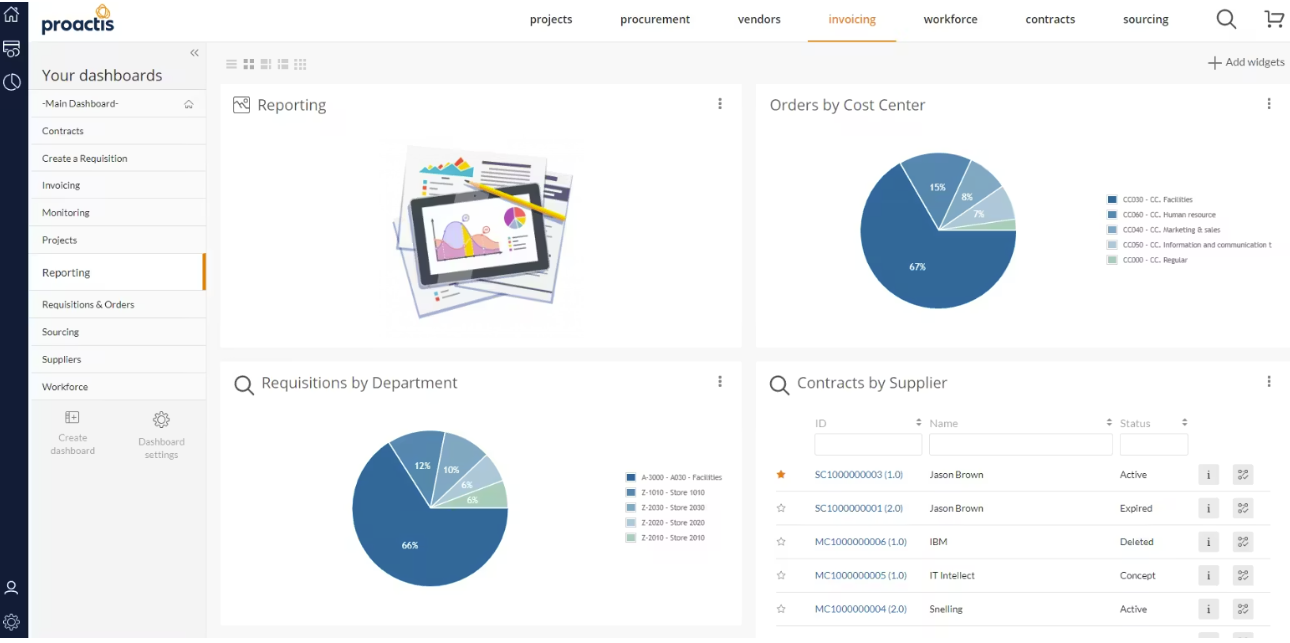
Proactis is a procurement and spend management platform with supplier management and compliance capabilities. It supports supplier onboarding, document management, and compliance tracking, helping organizations enforce governance requirements across procurement processes. Its tools improve efficiency and control in supplier interactions. While it provides visibility into supplier compliance status, it does not offer advanced capabilities for assessing or validating cybersecurity risk.
Best for: Organizations focused on procurement efficiency and supplier governance rather than security risk analysis.
12. Kodiak Hub
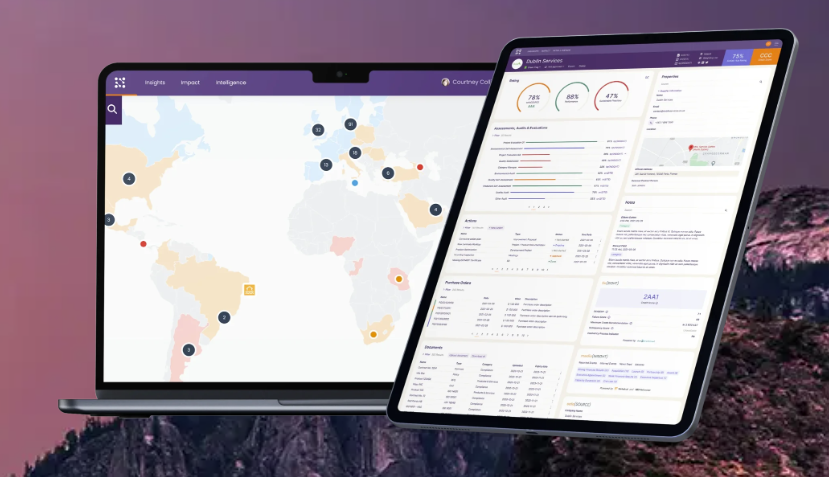
Kodiak Hub is a supplier relationship management platform that provides procurement and supply chain teams with greater visibility into their supplier base. It centralizes supplier data, enabling organizations to manage onboarding, track performance, and monitor risk indicators across the supplier lifecycle. The platform combines supplier segmentation, analytics, and collaboration tools to help teams evaluate reliability, operational risk, and strategic value, using supplier and operations analytics to provide a clearer view of performance and risk across the supply base.
While it provides useful insight into supplier performance and supply chain risk, its capabilities are limited in deep cybersecurity and third-party risk validation.
Best for: Organizations prioritizing supplier relationship management and performance visibility.
“It is extremely user-friendly, even for those outside of Procurement who may not use it as often. The best feature is how clearly it shows the percentage score for each answer, by category, and overall.”
External Vendor Risk Intelligence & Ratings
13. SecurityScorecard
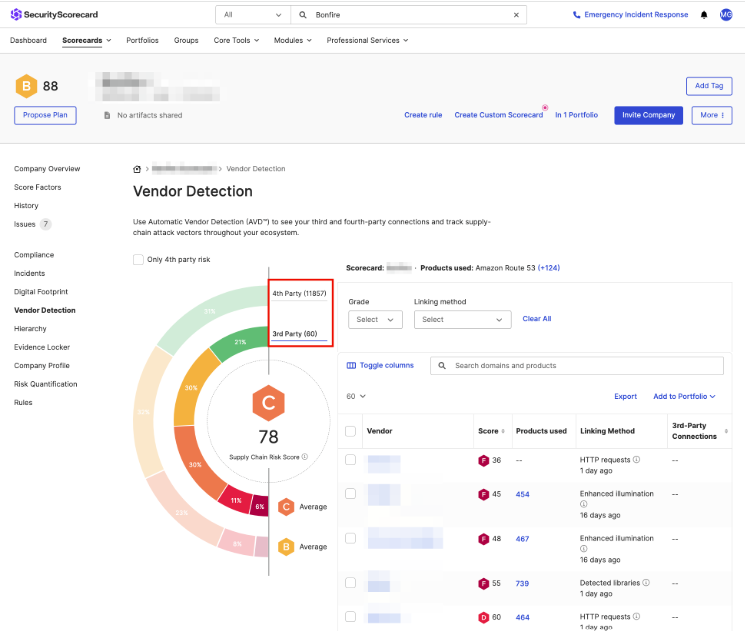
SecurityScorecard provides continuous, external visibility into vendor cybersecurity posture using observable internet-facing signals. It analyzes a broad range of factors, including network security, patching cadence, application vulnerabilities, DNS health, endpoint security signals, and historical breach data. These signals are aggregated into a standardized rating, allowing organizations to benchmark vendors and identify high-risk suppliers. This is particularly useful for managing downstream risks that can affect operations, compliance, and brand protection .
However, the model is inherently limited to external signals. It does not validate vendor-provided controls, incorporate internal usage context, or show how a vendor’s risk translates into actual system access, data exposure, or business impact.
Best for: Organizations that need scalable external visibility into vendor security posture.
“Connecting our score to the fullest third-party security risk exposure view. One of the things that I found most amazing was just how much you can see about a vendor's security posture and not get bogged down in the weeds of all the technical analysis.”
14. Continuity2
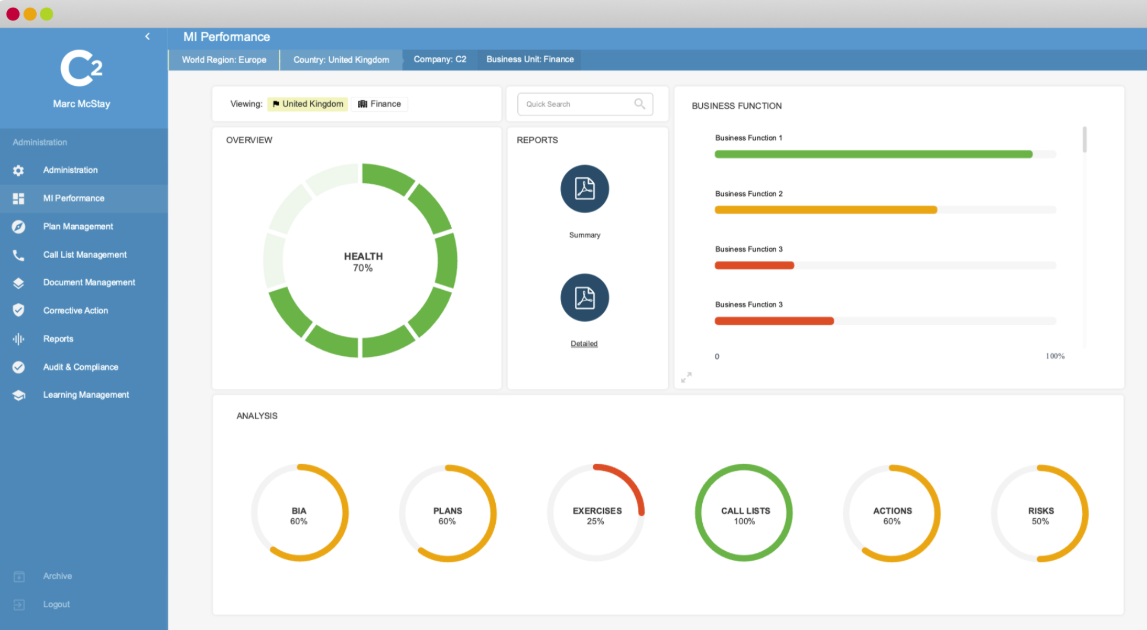
Continuity2 (C2) is an operational resilience and business continuity platform that incorporates third-party risk and supplier dependency management within a broader resilience framework. It enables organizations to map critical business services to the vendors that support them, providing visibility into dependencies across systems, suppliers, and operational processes. The platform supports scenario testing, allowing teams to model the impact of disruptions such as outages, supplier failure, geopolitical events, or financial instability.
It also includes capabilities for incident management and resilience planning. Its focus is on operational continuity rather than cybersecurity posture. It does not analyze vendor security controls, validate technical configurations, or surface vulnerabilities as dedicated TPRM or security platforms do.
Best for: Organizations focused on supply chain resilience and operational risk management.
“There are many pros to the use of C2 for IATA for our business continuity. The layout is quite good, and one can understand the various logos after using it. The actual functionalities are amazing, the ability to call the customers, clients, and team members.”
15. Risk Ledger
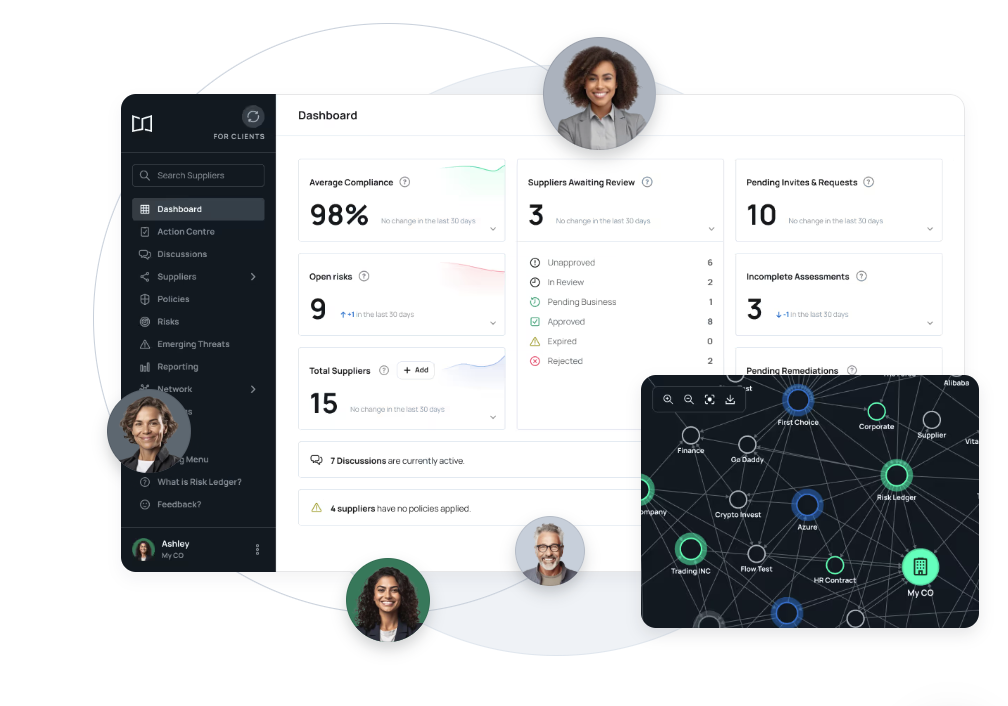
Risk Ledger is a collaborative supply chain risk management platform that reduces duplication and improves transparency across vendor ecosystems through a shared assessment model. Vendors complete a standardized security and risk profile once and share it across multiple customers.
Risk Ledger is particularly effective in environments with high supplier overlap. However, its approach depends heavily on vendor participation and self-reported data. It does not independently validate claims or connect vendor risk to how the vendor is actually used within your environment, limiting its ability to surface true exposure.
Best for: Organizations managing complex supply chains that want to streamline vendor assessments and improve shared visibility across supplier networks.
“Risk Ledger has significantly transformed how we handle customer security assessments, making a previously time-consuming process remarkably efficient. By providing a single, continuously updated security profile, it eliminates the repetitive burden of completing unique questionnaires for every client.”
How We Compared These Tools
We compared these tools using consistent, verifiable criteria to help you shortlist the best fit for your organization. Our evaluation is based on publicly available information as of 2026, including official product documentation, feature pages, third-party reviews, and independent comparisons.
We reviewed feature breakdowns to understand how each platform approaches vendor assessments and compliance tracking. We also considered third-party reviews from platforms like G2 and Capterra, along with credible industry comparisons, to validate real-world usability and customer experience.
From Compliance Tracking to Risk Engineering
Most vendor compliance programs demonstrate due diligence rather than identifying and reducing actual risk. As a result, many tools in this category focus on standardizing assessments, collecting documentation, and producing audit-ready outputs. These capabilities are necessary, but they do not provide a clear view of how vendors introduce risk in practice.
Lema’s Agentic TPRM and Risk Engineering platform analyzes vendor artifacts against your control requirements to identify gaps, cross-references them with external intelligence such as breaches and vulnerabilities, and validates whether vendor claims hold up. It then connects these findings to how vendors are actually used. The result is a set of prioritized, evidence-backed risks with clear remediation steps, rather than static assessments.

FAQs
What Is Vendor Compliance Management Software?
Vendor compliance management software helps organizations assess, track, and document whether third-party vendors meet internal policies and regulatory requirements, typically through centralized workflows and audit-ready reporting.
How Is Vendor Compliance Different From Vendor Risk Management?
Vendor compliance focuses on whether vendors meet defined standards, as documented and controlled. Vendor risk management evaluates how those vendors could impact security, operations, or business continuity in practice.
What Are the Limitations of Traditional Vendor Compliance Tools?
Most rely on vendor-provided information, point-in-time assessments, and standardized questionnaires, which makes it difficult to validate whether controls reflect real-world behavior or actual exposure.
What Should I Look for in Vendor Compliance Management Software?
Look at how the platform gathers evidence, what data sources it relies on, whether it supports ongoing monitoring, and how much business context it provides. The biggest difference between tools is whether they help you document due diligence or understand real exposure.
Do Vendor Risk Ratings Replace Compliance Platforms?
No. Ratings tools provide external visibility based on observable signals, while compliance platforms manage internal processes and vendor documentation. They solve different parts of the problem and are often used together.
